
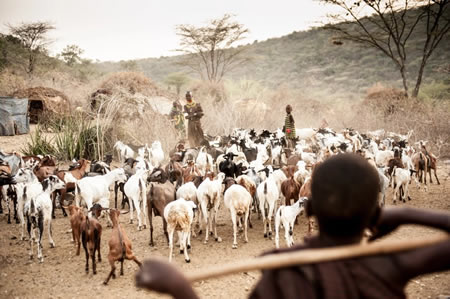
 Foster peace and resilience among the youth- The hub will engage hundreds of youth in Habaswein and the horn of Africa region in positive development, build their resilience to run sustainable business and not to be swayed to be victims of radicalization.
- Encourage accountable collaboration with community traditional leadership use traditional knowledge and leverage precision systems, alternative agriculture.
- Mobilize and sensitize community and schools for regenerative solutions
- Job Creation – Startup companies would create new employment opportunities for area residents and also offer consultancy services
- Improved Entrepreneurship regenerative community with higher nutritional yields, recovery degraded landscapes
- Enhanced Image – A hub is one important element to enhance Border communities’ image as a progressive, value creation for farmers especially poorest stallholder farmers’ stability and resilience in the wake of climate change. This will also create new jobs and new businesses in the incubator and those businesses that graduate from the incubator and spinout into the community.
- Improved Structure for Technology Transfer – The hub helps fill a void in the entrepreneurial development eco-system in the Cross border communities of Kenya, Somalia, Ethiopia and Djibouti.
- Foster regenerative forestry and landscape restoration: farming methods of our ancestors in which forests aid trees were utilized to mitigate climate change by absorbing carbon dioxide and storing carbon. This involves community-based reforestation with appropriate supply of quality seedlings that are drought-weed resistant.
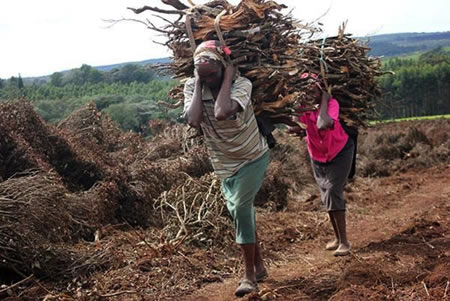 This focus is defined by Kenya’s climate change Act 2016 in addressing the impacts of severe climate change through mitigation and adaptation to entrench climate-resilient development programs and capacity developers at the grassroot community levels. From a geographical perspective, eg. Kenya ASAL’s are particularly vulnerable to the impacts of climate. Climate change has increased the frequency and magnitude of extreme weather events in Kenya causing loss of lives, diminished livelihoods, reduced crop and livestock production, and damaged infrastructure, among other adverse impacts. Climate change will hit dry land communities such as the ones in Wajir and Garissa counties economies early and severely because it exacerbates existing structural causes of poverty and inequality which means that the ASAL economy is highly dependent on climate sensitive activities.
The unavailability of surface water for activities such as irrigation, livestock, production, household use, wildlife and industry also exacerbates the communities that are already facing a myriad of challenges.
Community-based, integrated responses to a degrading environment, social tensions and climate fragility are vital. Building on successful track-records in both regreening, peacebuilding and also drawing from local and international expertise in education, economic empowerment, social work and mental health. This facility seeks to foster vital synergies and forge an integrated approach to improving rural and peri-urban livelihoods, enhancing security and cohesion, and contributing to climate change adaptation and mitigation.
The community regeneration engagement seeks to establish food chain systems that is not only nutrient-rich but also restore-degraded soil, increase biodiversity, renew communities, support indigenous ecological management as well as sequester carbon. Through community self-engagement, the program also seeks to entrench regenerative politics thus create more transparent and democratic community governance.
Key Initiatives
- Collectively catalyse and raise the profile of Green Initiatives in the ASAL region of East of Horn of Africa
- Enable local communities benefit directly from carbon trading credits
- Sustainable management of the aquifers
- Mobilise resources for the implementation of the initiatives